In-Depth Description
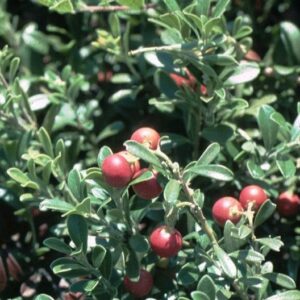
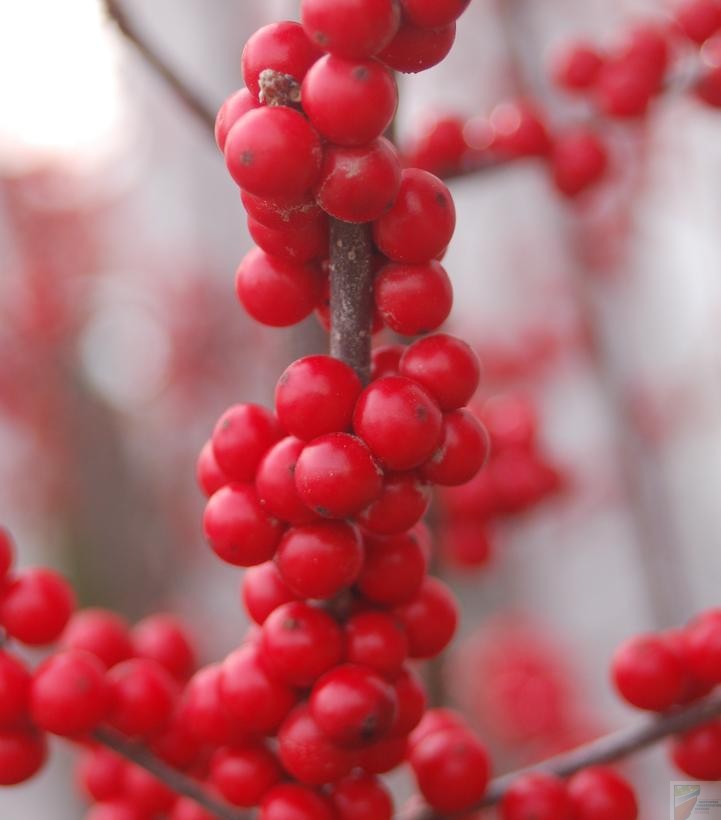
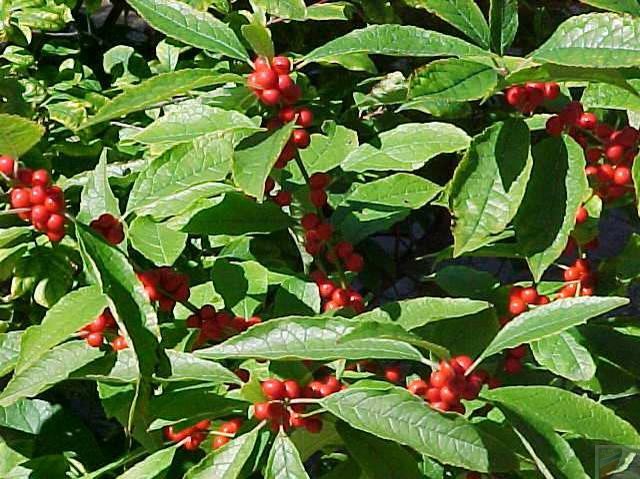
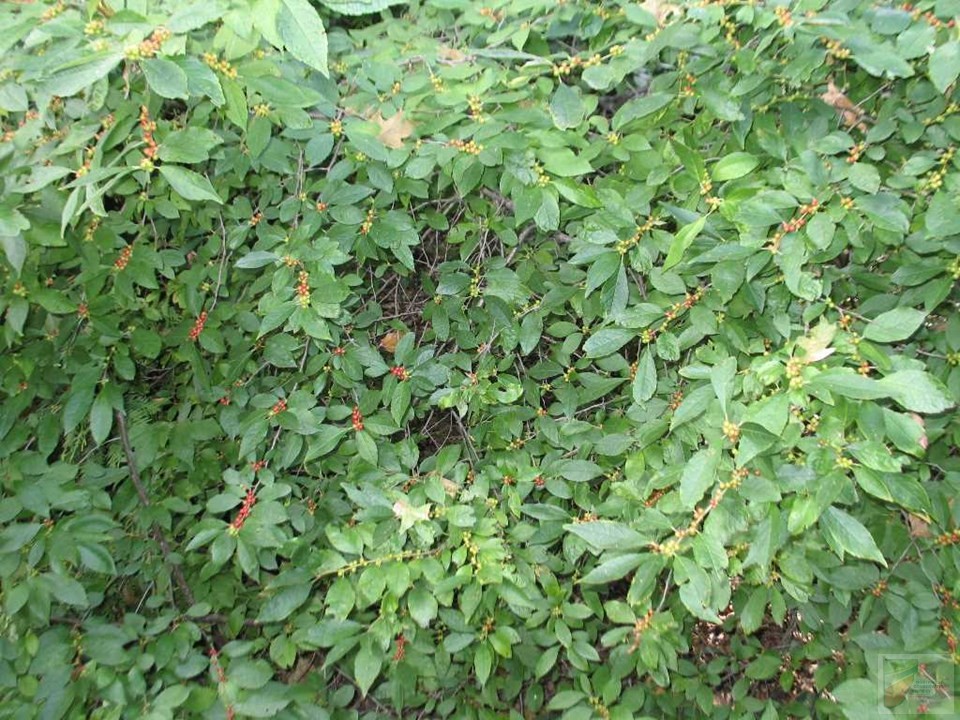
Winterberry is native to the eastern U.S., and can be a great addition to any landscape, as it produces bright red berries that persist through the entire winter and into spring. Unlike other familiar holly bushes, Winterberry is a deciduous shrub and loses its leaves in fall. Its red berries come to the forefront as winter arrives and attention is drawn to the plant’s fruit, with no foliage to obstruct the viewer’s vision. Winterberry is notable for its berries being attractive to a variety of birds and other wildlife. By planting Winterberry, you are inviting a host of animals in your landscape including blue birds, robins, cedar waxwings, deer, mice and raccoons. Native alternative for many invasive plants, including Burning Bush, Japanese Barberry, Multiflora Rose and Autumn Olive.
If this is your first winterberry bush, you may need to purchase a male winterberry in order for your specimen to produce red berries. Your bush will produce berries if there is a male within 40 feet.
If you already have winterberry that are producing berries, you also likely have a male winterberry and don’t necessarily need another male.